 VibeEdit
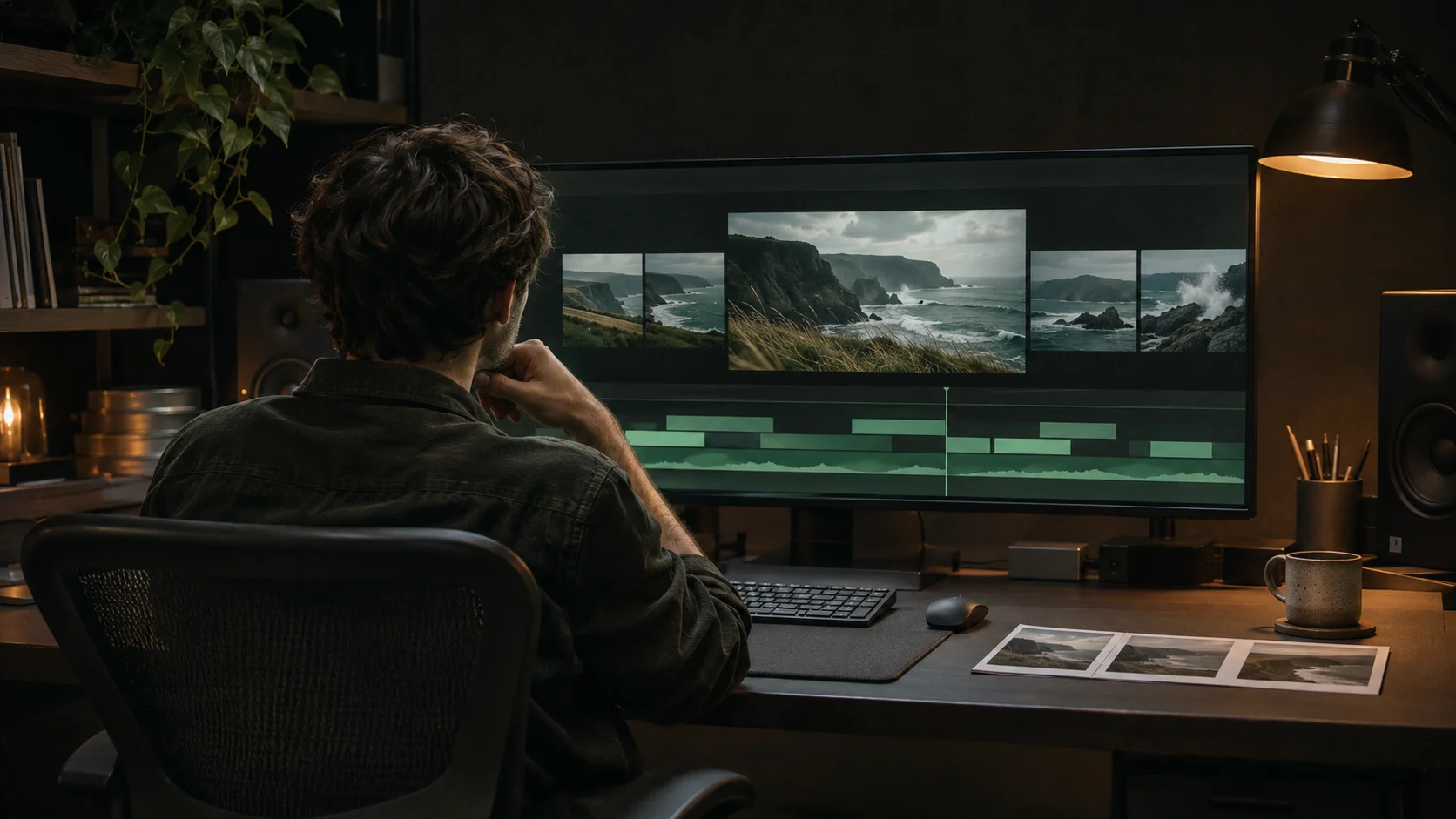
Imagine your team just shipped its best launch video. The first shot made the problem obvious. The demo got to the payoff before the viewer could lose interest. The motion graphics felt like your brand without crowding the story. Then the next launch comes around, and the team starts in an empty timeline.
There’s a job hiding in that gap. A Creative Engineer takes what a team learned making one good video and builds a workflow the team can use to make the next one. The job combines an editor’s judgment with the ability to build, test, and maintain a production workflow.
A role grows out of a bottleneck
Clay’s first Go-to-Market Engineer, Yash Tekriwal, faced more inbound demand than he could handle by hand. He built a workflow that qualified prospects and sent a quick reply when they were a fit. Clay gave that work a title in 2023. The role expanded as more teams found parts of their growth work they could turn into durable workflows. Clay’s account of how the role started
Video teams have similar bottlenecks. An editor may spend half a morning finding a usable quote across interviews. A producer may ask for three cuts of a launch video, each with a different opening. A motion designer may rebuild the same end card because last month’s editable file is buried in an old project. A Creative Engineer picks a recurring problem, fixes it on a real project, and makes that fix usable by the rest of the team.
What a Creative Engineer builds
Take that 30-second launch video. The Creative Engineer sits with the editor and identifies what mattered. The first shot showed why the old way was frustrating. The demo proved the new way in a single action. The approved end card gave the viewer one clear next step. They can turn those choices into a brief, a few annotated references, and a workflow the team can run on new footage.
- Find the material. Search the project and shared library for product captures, usable quotes, approved graphics, and past examples. Keep source timestamps so the reviewer can hear the line in context.
- Assemble a first cut. Give an agent the brief, the source selects, and the team’s editable graphics. Ask for a timeline that an editor can adjust. If the footage cannot support a claim, flag the gap for review.
- Review and carry the lesson forward. The editor checks the pacing and accuracy, changes shots as needed, and approves the cut. If the same correction keeps coming up, update the brief or save a better example for next time.
That workflow still leaves room for a different opening, an imperfect take with better energy, or a longer pause that makes a line land. Those are the decisions the Creative Engineer makes easier to spend time on.
Where the role could go next
We expect the first Creative Engineers on many teams to be the editors, producers, and motion designers who already notice where a production gets stuck. Some will write code. Others will build with templates and agent tools. In either case, their most valuable skill is knowing what the team should standardize and which decisions need a person who understands the footage, the audience, and the brief.
As agents get better at searching footage and putting together rough cuts, a team’s own references will become more useful. An approved interview cut can teach more about pacing than a page of generic instructions. A note linked to a frame can show why a shot worked. An editable motion graphic can carry the brand into a new format. Over time, a shared library can hold the reasoning behind the work as well as the media itself.
The Creative Engineer will also need to know whether a workflow is paying off. How long does it take to get to a first cut someone can review? Which suggestions survive the edit? Are people making the same corrections each week? Those questions give the team a way to improve its workflow while keeping editors responsible for what ships.
Why we’re building VibeEdit for this
Our direction is to make the library the starting point for both people and agents. Begin with footage the team already has, notes tied to the source, and creative assets it can use again. Carry those choices into an editable project so someone can see the evidence, change the cut, and make the final call.
You can try the idea with a format your team already makes. Take one finished video, write down three decisions that made it work, and use those decisions to brief the next cut. See what carries over, what needs judgment, and what you can save for the third one.